


Soilless cultivation
When you hear 'soilless growing', the first thing that comes to mind is sterile laboratories with perfect plants. But in reality it is more of an art of balancing technology and biology. Many people still confuse it with conventional hydroponics, although the difference is fundamental - it’s not just about abandoning soil, but about creating an entire ecosystem with controlled parameters.
Main misconceptions and real difficulties
I still see the opinion that soilless systems are a panacea for all agricultural ills. I remember how in 2019 we launched a demonstration greenhouse near Kazan with a drip irrigation system fromShandong Linyao Intelligent Agriculture Technology Co.,Ltd. Local farmers were expecting a miracle, but instead they were faced with the need for daily monitoring of EC and pH. One farmer complained: “In my soil, tomatoes grew like weeds, but here every leaf requires attention.”
The most insidious thing aboutsoilless cultivation– the illusion of simplicity. It seems that you have connected the automation - and you can harvest the harvest. But when, in the same greenhouse, substrate moisture sensors began to show discrepancies of 15%, each unit had to be manually calibrated. Moreover, the problem turned out to be not in the equipment, but in the uneven compaction of the coconut mat.
It was especially difficult with organic fertilizers in a closed system. The filters clogged twice as quickly as expected, and this is where disc filters fromShandong Lingyao– they could be disassembled for cleaning without completely stopping the system. A small nuance, but it is precisely such details that determine success.
Equipment: What Really Works
Over the years of experimentation, I realized: there are no universal solutions. Tomatoes and cucumbers require fundamentally different nutritional strategies. In smart greenhouses near Voronezh we used programmable controllers fromlyzhihuinongye.ru, which allowed the creation of separate profiles for each crop. But even this did not prevent surprises - for example, with a sharp increase in air humidity, the plants began to 'starve', although the composition of the nutrient solution did not change.
An automatic watering system is a different story. Variable speed drives do save energy, but setting them up requires an understanding of the hydraulics of your specific greenhouse. Once we had to re-align the lines three times because at the far ends the pressure dropped below critical. Designers fromShandong Lingyao Co.,Ltdthen they proposed a non-standard solution - to install additional valves with remote control in line breaks.
There are still nuances with water filtration. Bag filters are good for sand wells, but if the source is an open body of water, it is better to combine disk and mesh systems. In one of the projects for the Stavropol region, we used a cascade of three types of filters - this increased the cost of the project by 12%, but it allowed us to halve the frequency of washing.
Cases: successes and failures
The most illustrative example is the reconstruction of a greenhouse complex in the Lipetsk region. There they switched from dirt tosoilless cultivationcucumbers In the very first month we encountered a calcium deficiency - it turned out that the old pipes released copper ions, which blocked the absorption of nutrients. I had to urgently change the entire wiring.
And here is the story with strawberries on vertical installations. It would seem that this is an ideal culture for such systems. But with dense planting, a problem arose with cross-shading - the lower tiers did not receive enough light even with artificial supplementary lighting. The solution was not found immediately: we had to develop a cascade lighting system with separate timers for each level.
I had an unsuccessful experience trying to grow greens in mobile installations. The concept seemed promising - placing modules in abandoned rooms. But the economy didn’t work out: climate control costs were eating up all the margins. Later specialistsShandong Lingyaocalculated that the payback of such projects is possible only with a volume of 200 m2 and the use of heat recovery.
Selection of crops and seasonality
Many people underestimate the importance of selecting varieties specifically forsoilless cultivation. Dutch tomato hybrids show phenomenal results in stable conditions, but if temperature changes occur in the greenhouse, local selections are more resilient. Last season, Beefmaster and the local hybrid 'Volgogradsky' were compared - the difference in yield was only 7%, but the savings on seeds were 40%.
Seasonality is a separate challenge. In summer in the southern regions, overheating of the nutrient solution becomes a critical problem. At temperatures above 28°C, the root system of tomatoes practically stops absorbing phosphorus. You have to either cool the solution (which is expensive) or use white containers and additional shading. In projectsShandong Linyao Intelligent Agriculture Technology Co.,Ltdunderground reservoirs are often laid - the temperature there is more stable.
An interesting effect was observed with basil - in soilless systems it accumulates 20-30% more essential oils. But only when using potassium fertilizers in a certain growth phase. If you miss a moment, the aroma drops sharply. Such nuances cannot be found in textbooks; you only get better at it with practice.
Prospects and limitations of technology
We are now actively testing systems with feedback - when sensors not only record parameters, but also adjust the composition of the solution. In an experimental greenhouse near Krasnodar, this approach made it possible to reduce fertilizer consumption by 15%. But the technology is still crude - sometimes the algorithms make strange decisions, for example, they sharply increase nitrogen at the slightest yellowing of leaves.
The main limitation is energy dependence. When the power is turned off, even for 2-3 hours, irreversible processes begin in systems with fine settings. We have to backup power and have emergency generators. In projects for remote areasShandong Lingyaooften offers hybrid solar panel solutions for critical systems.
I think the future belongs to adaptive systems that can adapt to the specific conditions of the region. Not blindly copying Dutch technologies, but creating flexible configurations. Like in that project for the foothills of the Caucasus, where it was necessary to combine drip irrigation and aeroponics - pure hydroponics did not work there due to pressure drops.
In the end you realize thatsoilless cultivation– this is not about technologies themselves, but about their reasonable use. No controller can replace the attentive eye of an agronomist, but it can become his reliable assistant. The main thing is not to succumb to the temptation of total automation and maintain common sense in every decision.
Correspondingproducts
Related Products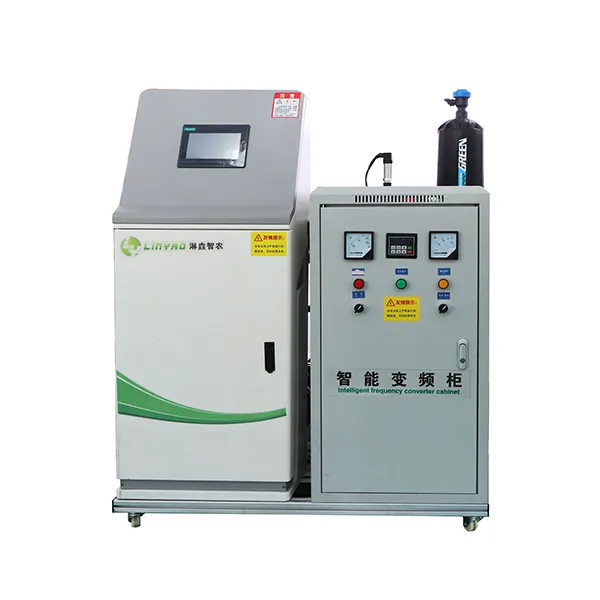
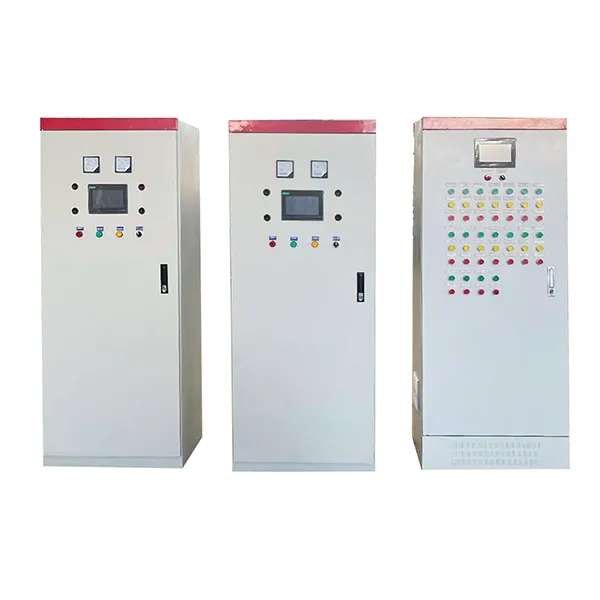
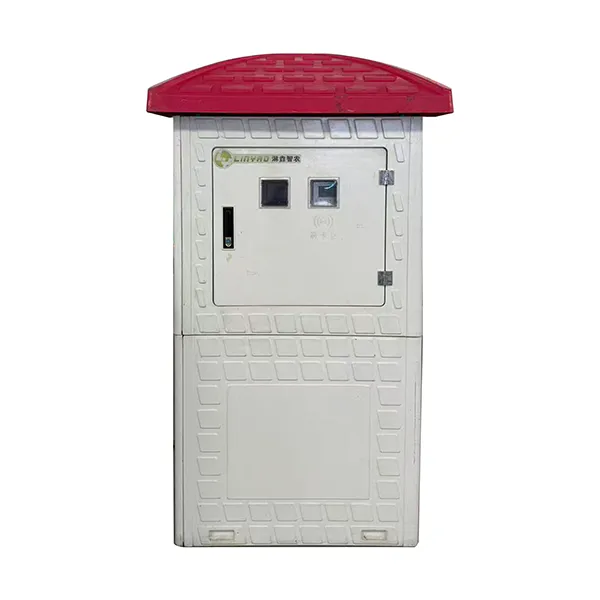
Best Sellingproducts
Best Selling Products-
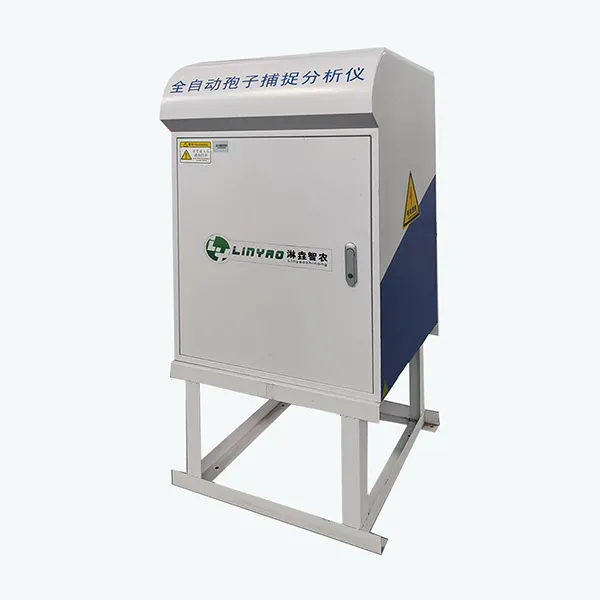 Fully automatic spore analyzer for agriculture
 -
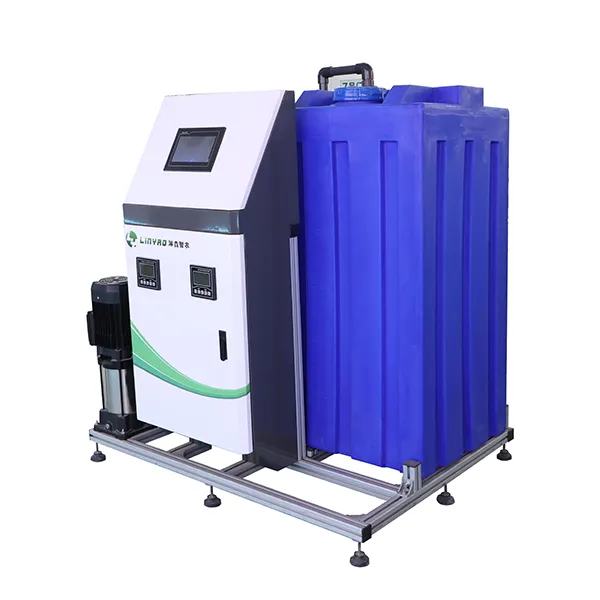 Fertilizer pre-mix fertilizer machine
 -
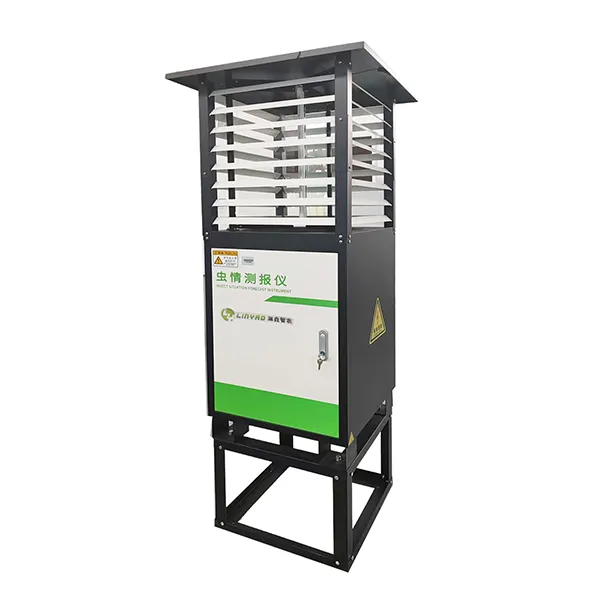 Intelligent pest monitoring equipment
 -
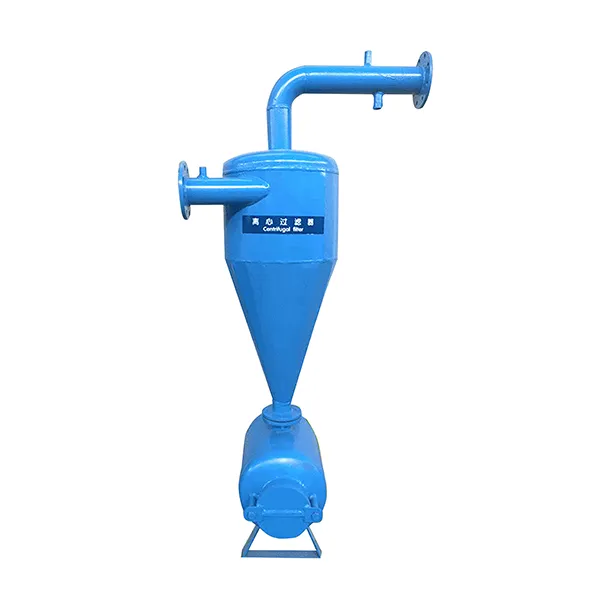 Centrifugal filter
 -
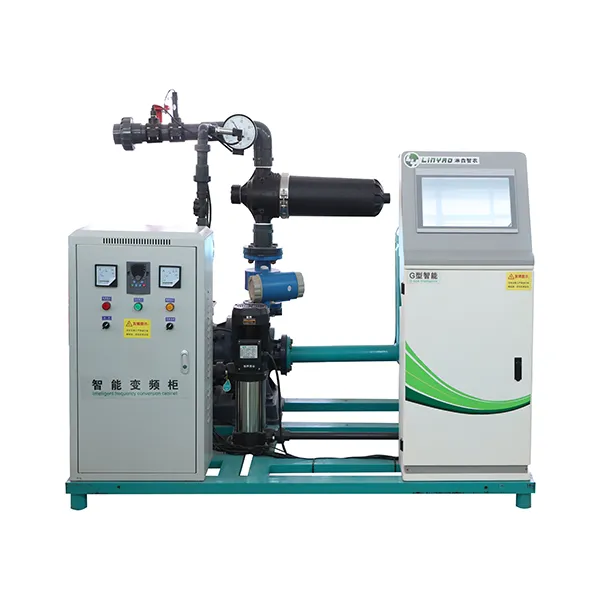 Intelligent Irrigation Control System
 -
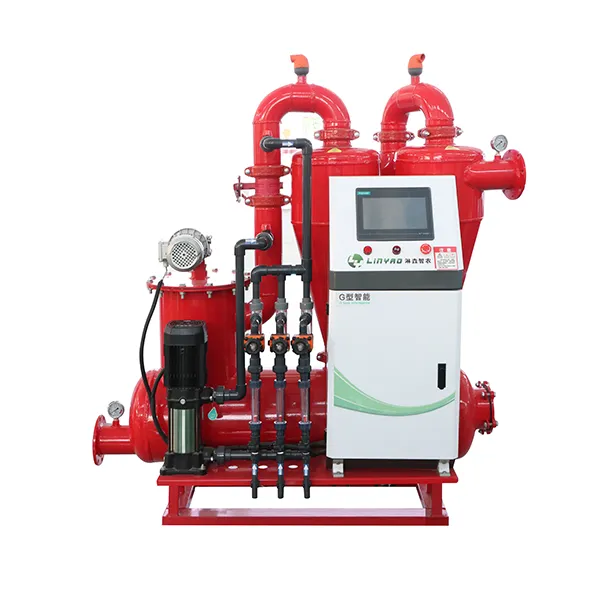 Automated Dual Function Water Fertilizer Filtration Machine
 -
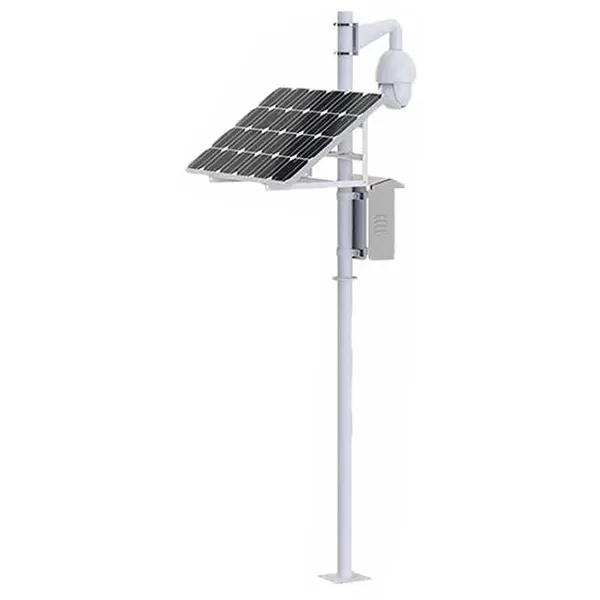 Device for monitoring the condition of seedlings
 -
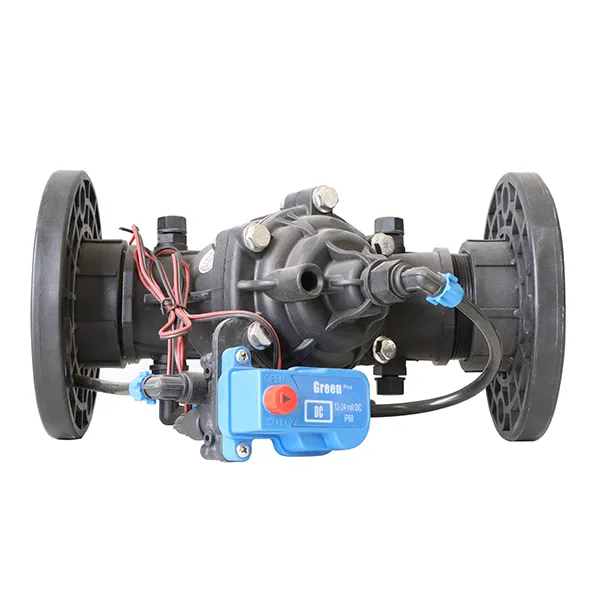 Solenoid valve
 -
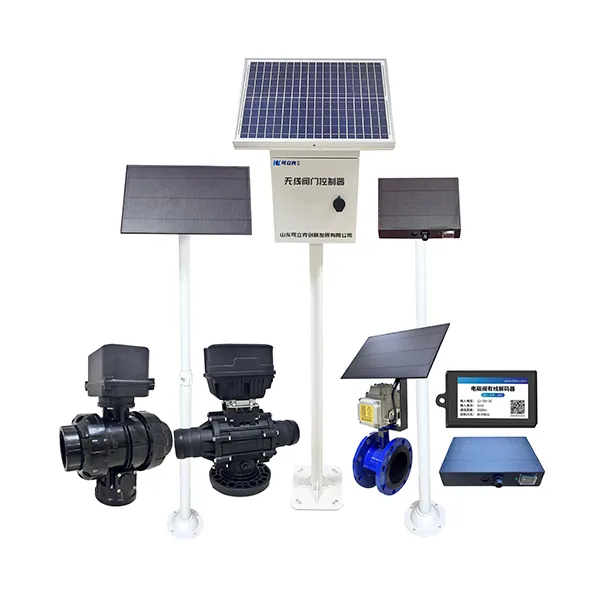 Wireless valve control
 -
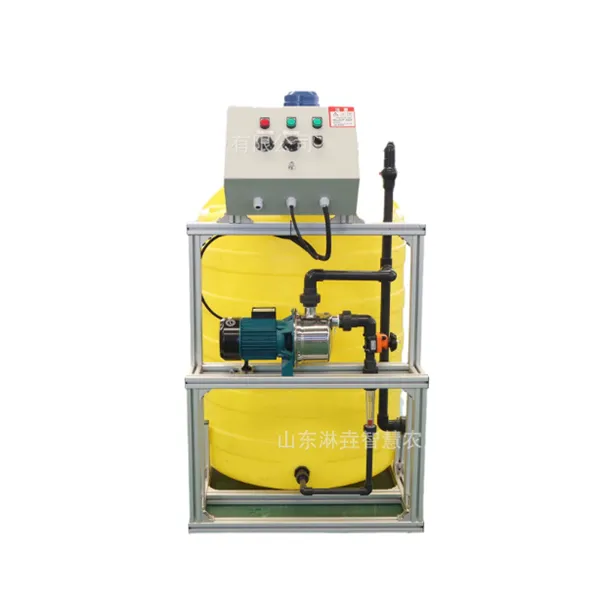 Simple manual single-channel water and fertilizer integration apparatus
 -
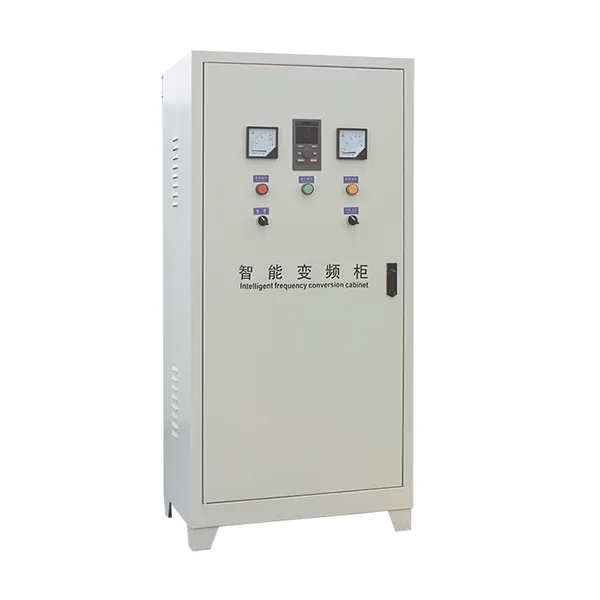 Intelligent Frequency Converter Cabinet
 -
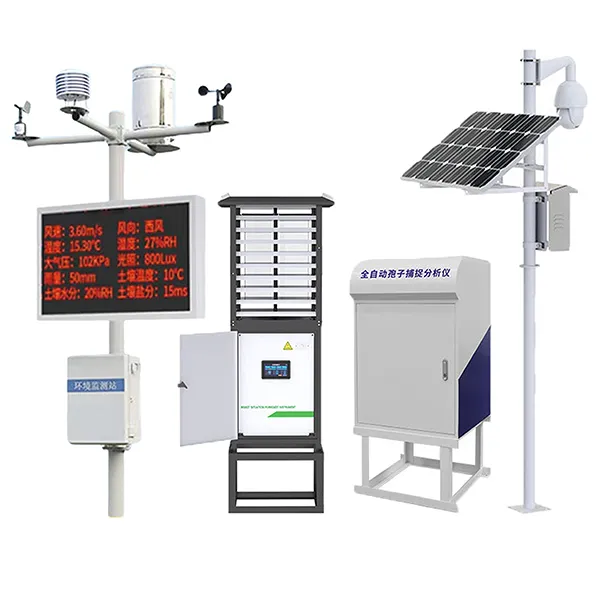 Agricultural weather station
Relatedsearch
Related Search- Automatic fertilization and irrigation controller system supplier
- Soilless plant growing
- Popular smart device for farm irrigation and fertilization by manufacturers
- Greenhouse hydroponic irrigation
- Reverse osmosis water purification plants
- Wireless automatic watering valve control systems manufacturers
- Intelligent water and fertilizer integration apparatus with remote automatic control system via mobile phone for agricultural irrigation manufacturer
- Easy to operate water and fertilizer integration machine main buyer country
- Solenoid valve 4 inch ac24v suppliers
- Fully automatic water and fertilizer integration machine manufacturer